Publishing Logistics

Modern Publishing Logistics - Flexible, Digital, Reliable

From warehousing to delivery: How the book and media market combines publishing IT, flexible shipping models, and full-service offerings into a high-performance Logistics solution.

Please select
Expertise_Bild_2_LILA

What exactly does “Publishing Logistics” mean?

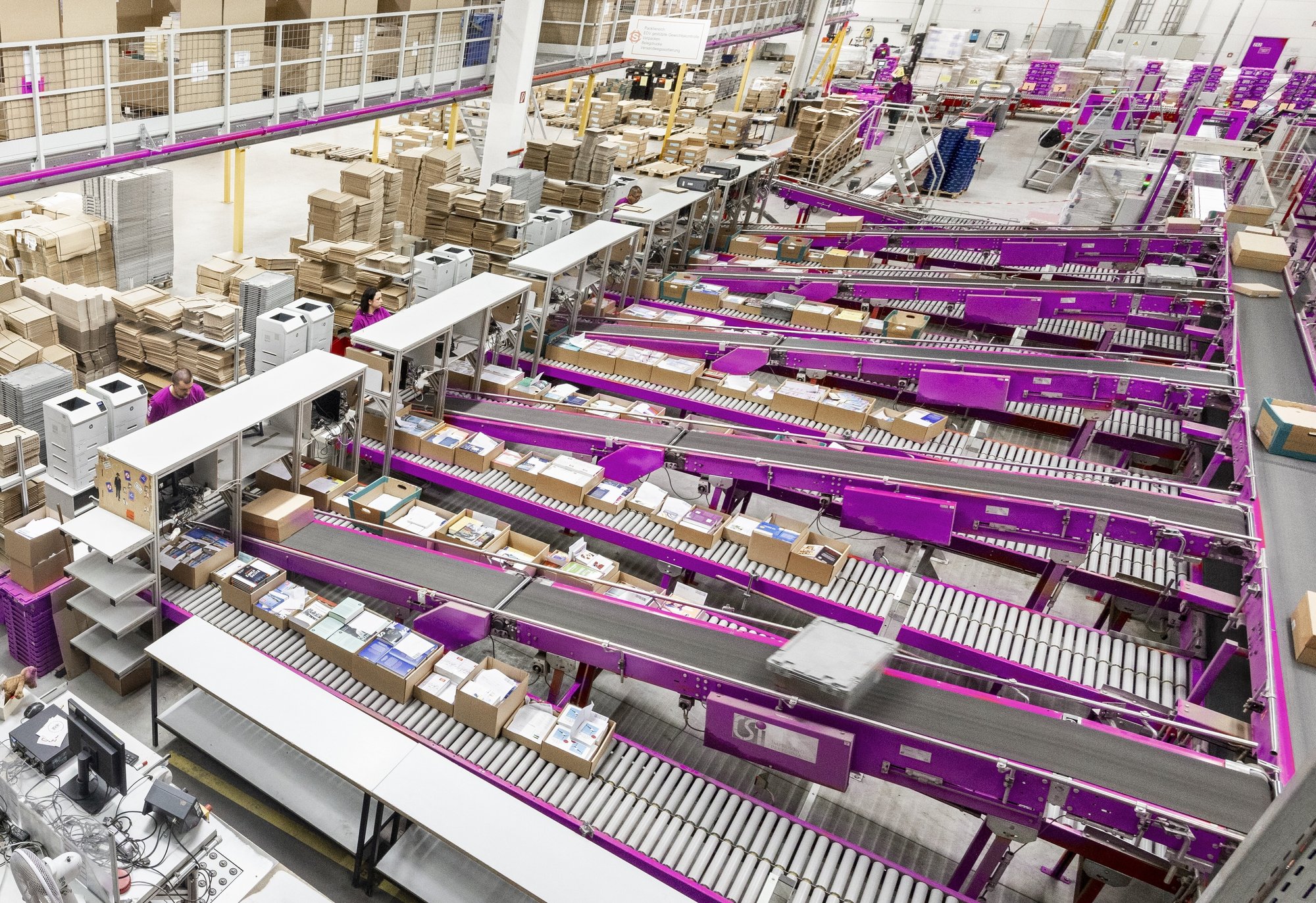
Publishing Logistics is the coordination of all physical and digital fulfillment processes - from warehousing, picking, and kitting through distribution to services such as invoicing, Accounts receivable management, Returns management, and customer service. All of these processes are integrated with existing publishing systems, online stores, and subscription management platforms. This makes Publishing Logistics a key value-added factor—the better these processes work together, the greater their contribution to a publisher’s overall performance.

Why Publishing Logistics need to be rethought now

The book and media market is under enormous pressure in terms of speed, costs, and service. The market has changed; new technologies require adjustments - and at the same time open up entirely new possibilities.

Icon86
Express printing

Next-day delivery as standard, not as a premium option

Icon44
High granularity

High-frequency replenishment logistics instead of small-scale order structures

Icon2
Diversification

Explosive growth in title diversity amid fragmented print runs

Icon48
The on-demand revolution

Print-on-Demand eliminates inventory risks through production that is synchronized with demand.

Icon36
Omnichannel complexity

Parallel sales through bookstores, e-commerce platforms, marketplaces, and direct sales
These developments can be managed - with logistics processes designed for digitalization, automation, and tight system integration.
Verlagslogistik_-_contenthub

Digitization and automation as the most effective leverage

Digital system integration and automated warehouse processes are the key drivers of modern Publishing Logistics—they ensure that orders are processed faster, inventory remains transparent, and order spikes are reliably handled.

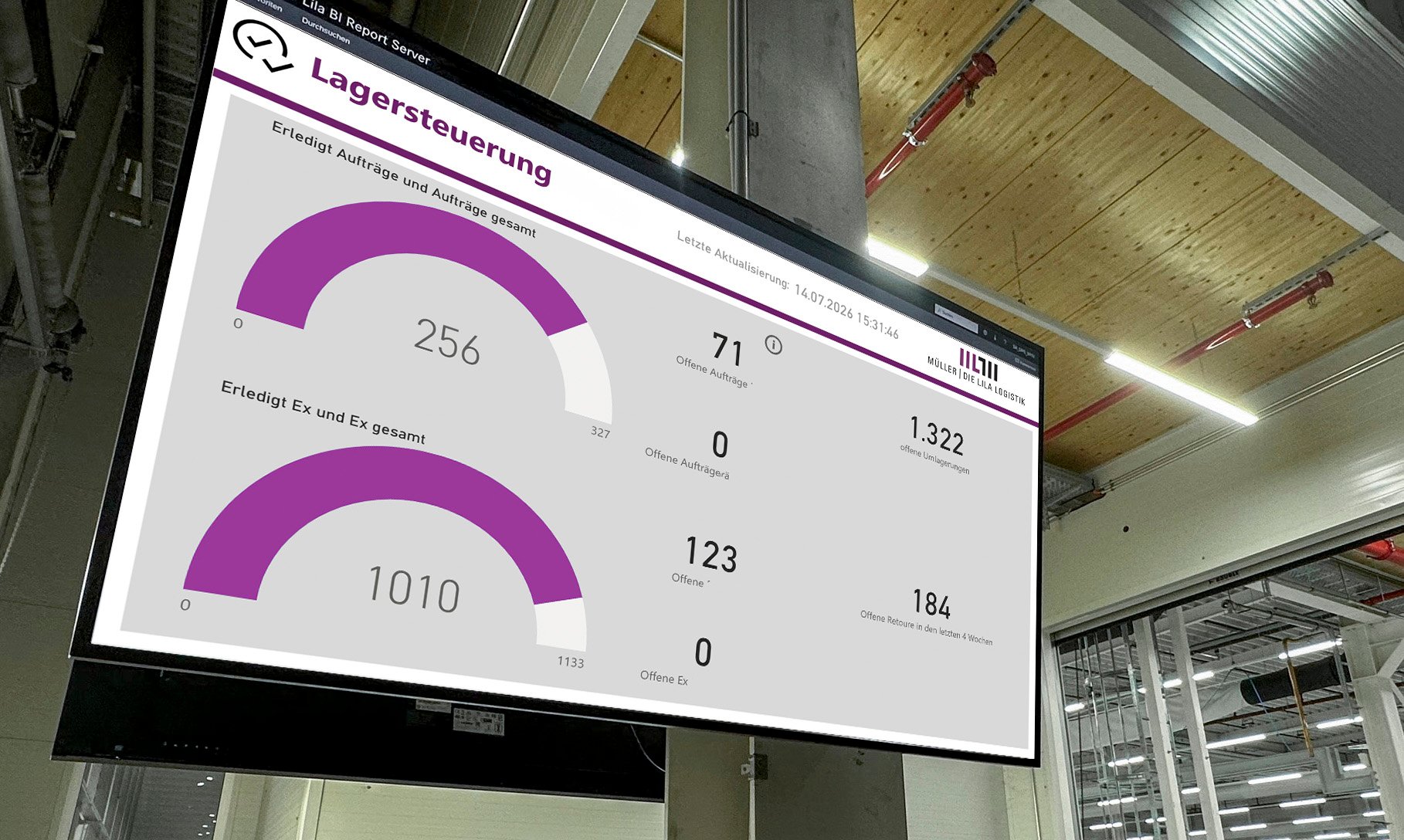
Targeted, controlled digitization creates end-to-end transparency across all logistics processes - even in real time. This enables real-time optimization and data-driven decision-making.

In this way, fragmented, siloed solutions evolve into integrated end-to-end workflows - moving away from micromanagement of operations toward metrics-based, automated process control.

AutoStore in Publishing Logistics: How automated warehouse technology works

AutoStore is a robot-based small-parts warehousing system that Logistics service providers operate on behalf of their customers - publishers benefit from the technology without having to invest in warehouse infrastructure themselves.
Expertise_3

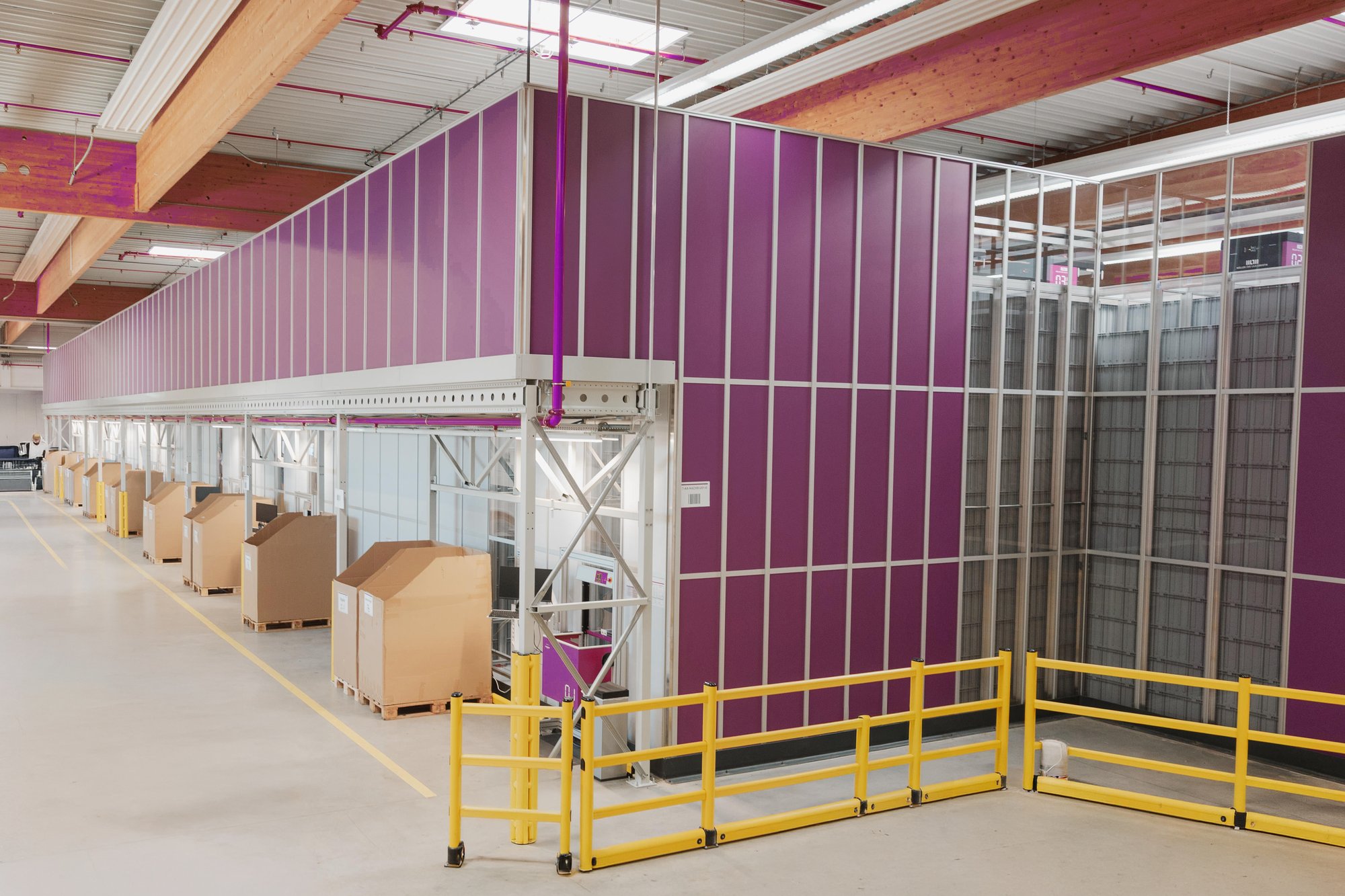
In an AutoStore warehouse, countless small parts are stored in a minimal amount of space. Robots automatically transport the containers directly to the next step in the process. This makes it possible to stock an enormous variety of titles in a very small space—while maintaining high order-picking speeds.

Why this is a particularly good fit for publishers: An AutoStore system is especially well-suited when

  • the product range consists largely of small items—whether books or non-book items

  • the “goods-to-person” process needs to be reliably fast

  • order sizes vary between individual items and larger quantities

All of these are typical requirements for book publishers. Automated warehouse technology provides a particularly suitable foundation for backlist and long-tail titles: even small and medium-sized formats with a wide variety of titles can be reliably and quickly stocked and shipped—whether as single units or in larger orders for retailers.

Outsourcing Publishing Logistics: When it makes sense and what it offers

Many publishers eventually face the same question: Their in-house logistics are reaching their limits - whether due to order spikes, a growing variety of titles, or increasing demands for speed and transparency. The decision then comes down to: handle it in-house or outsource.

Outsourcing to specialized logistics partners like LILA LOGISTIK pays off especially when requirements become complex due to waves of new releases, seasonal peaks, Returns, and multichannel fulfillment. Working with a partner can significantly reduce the high costs of Warehousing and staffing. Professionally orchestrated outsourcing makes Publishing Logistics cost-effective, transparent, and adaptable - and frees up time for the publisher to focus on its core business: program planning, content marketing, and sales.


Are you considering outsourcing your Publishing Logistics? 

We’d be happy to discuss the possibilities with you.
Avatar-Viktoria-Kuska

Wiktoria Kuska
Sales Manager

How to recognize modern Publishing Logistics

Modern Publishing Logistics creates value where processes interact - it is less evident in individual services than in the way the whole system interlocks. These characteristics are telling: 

  • Performance-based cost structure: Instead of high fixed costs, costs are incurred where services are provided—this makes unit costs and the cost structure transparent.
  • Access to the latest technology: Automation and modern logistics technology are available without the publisher having to make any investments itself.
  • Real-time transparency: Inventory, orders, and shipments can be viewed and managed in real time—with early warnings in case of deviations.
  • Elastic capacity: Seasonal fluctuations and campaign peaks are accommodated through adjustable capacity.
  • End-to-end financial processes: Billing, Accounts receivable management, and collections are an integral part of the process chain, not a secondary process.

5 Steps to Modern Publishing Logistics

Implementing modern Publishing Logistics requires planning and a structured approach. Typically, such a transformation project is divided into five steps:

We begin by establishing a shared understanding of the desired goals and outcomes. We clarify distribution channels (bookstores, online, Print-on-Demand) and the impact of seasonal peaks. The result is a concrete vision with priorities and a roadmap.

In the next step, the SKU profile, order structure, returns, throughput, and cost categories are analyzed. From this, specific scenarios can be derived to serve as a basis for decision-making.

Based on the verified structural data, a concrete concept is developed that maps out all processes—from order placement through invoicing to returns.

ERP systems, online stores, subscription management, Print-on-Demand services, and payment processes are seamlessly integrated via appropriate interfaces. A carefully planned migration ensures that the transfer is completed without interrupting deliveries.

Operations begin with clear service level agreements and key performance indicators. From day one, logistics run according to the defined requirements, which are further stabilized during the ramp-up phase.

Publishing Logistics in practice

The impact of outsourcing, when implemented consistently, is reflected in measurable results - here from a recent project:

Icon12b-XS

Personnel costs: reduced by 18% 

KPI

Material availability: increased to 99.4%  

Icon16

Return Processing: Completed within 2–3 business days for 99% of end customers 

Frequently asked questions about Publishing Logistics

Dig deeper - related topics in Publishing Logistics

Let's think ahead together.

Ready for modern Publishing Logistics?
Get in touch with us.