Cost &
margin pressure
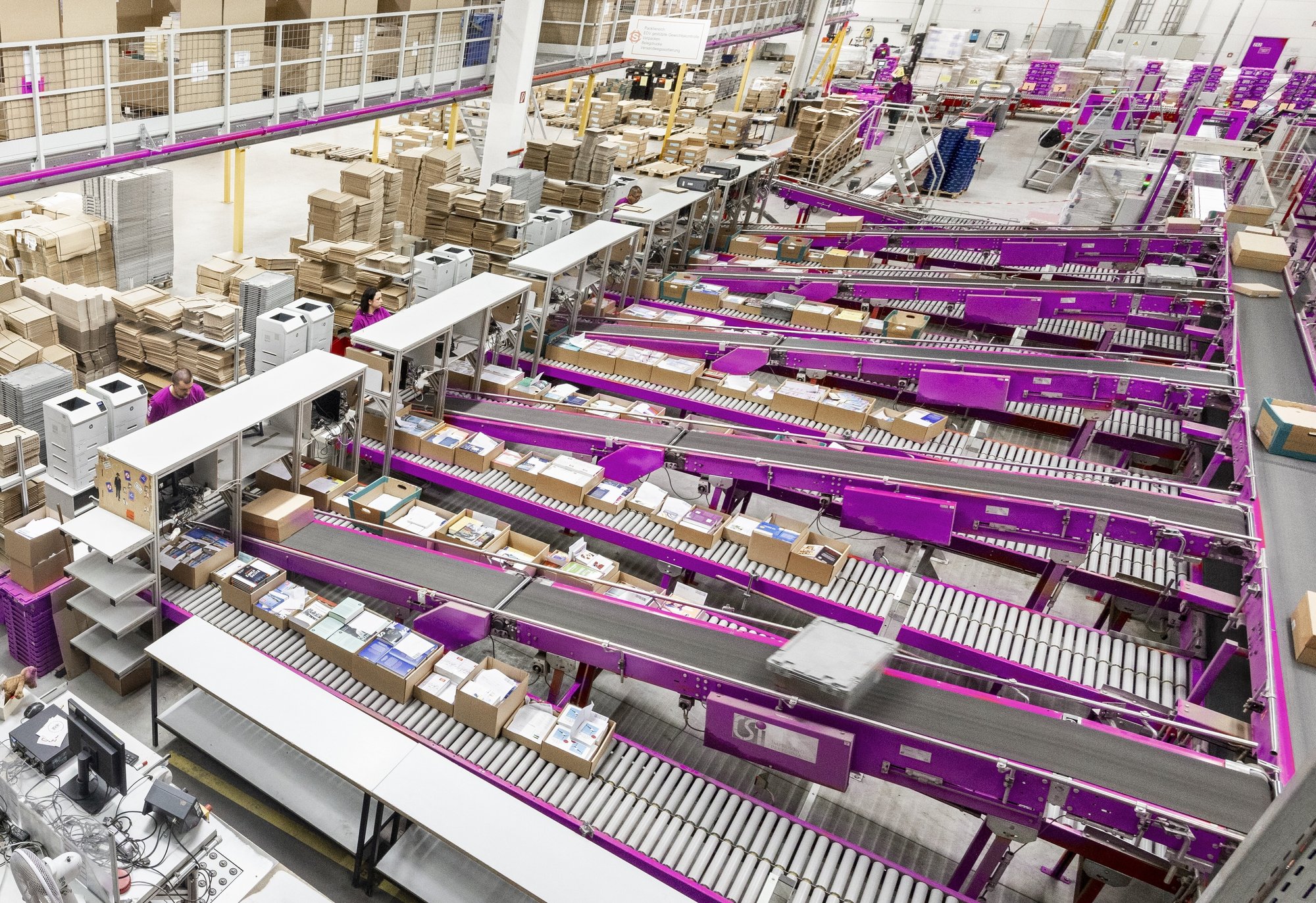
Inefficient processes directly increase costs and reduce value creation.
Logistical value creation
How companies use the right logistics planning to reduce costs, ensure delivery reliability, and turn their supply chain into a true success factor.
Logistics value creation describes the measurable contribution that logistics processes make to a company’s performance. It results from the interplay of structured process design, transparent management, and high-performance operational execution -delivering measurable added value across the entire supply chain.
Inefficient processes directly increase costs and reduce value creation.
Without real-time data, the foundation for making quick, reliable decisions is missing.

Unstable processes and volatile Supply Chains require solutions that adapt to the situation.

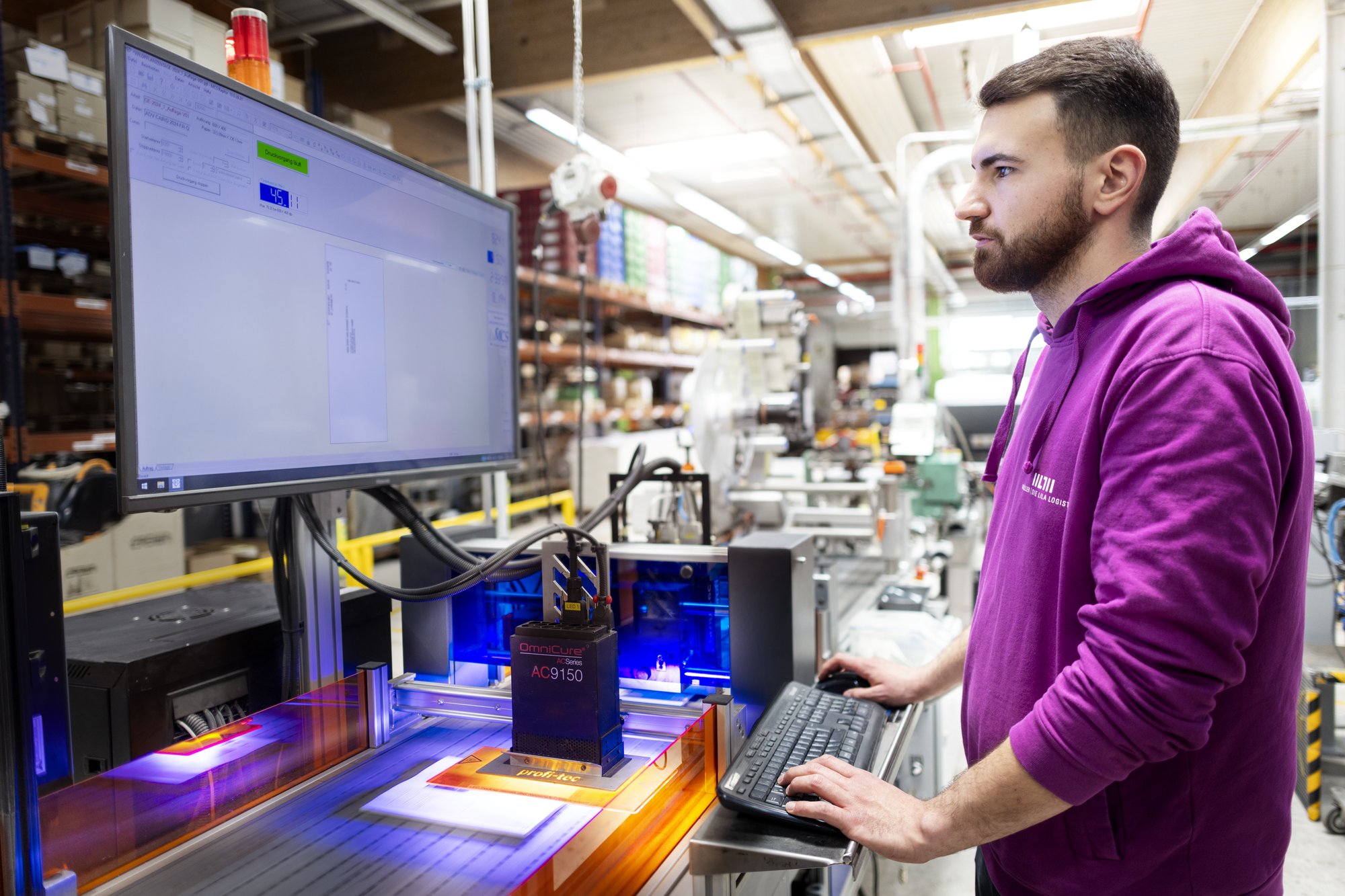
Flexibility during peak volumes requires solutions that can scale with demand.

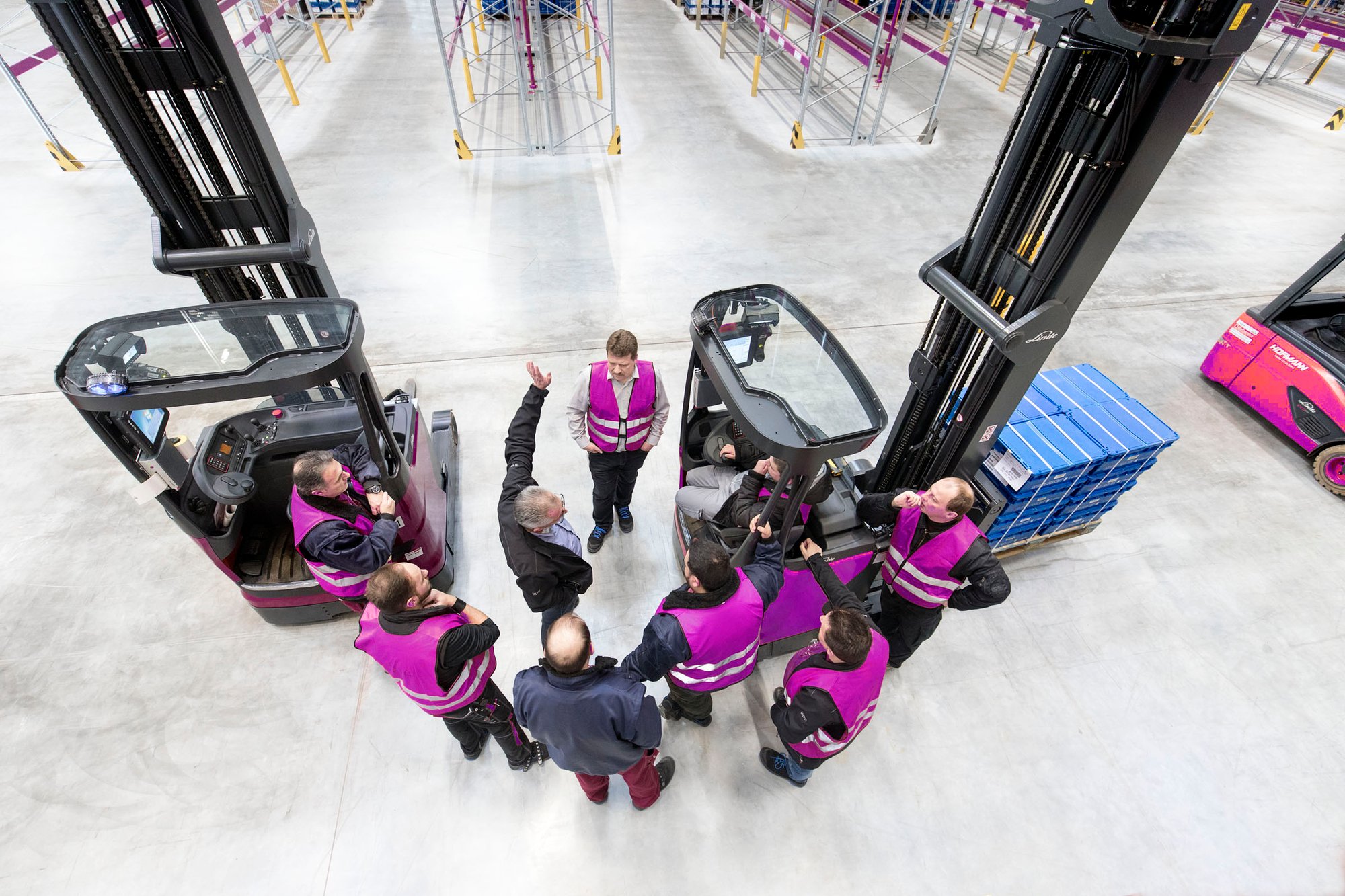
The shortage of qualified personnel hinders smooth operations.

Documentation requirements and traceability must be fully complied with.

Too many complex logistical challenges within the company itself distract from the core business.

Companies need process expertise—not just someone to handle the day-to-day operations.
The foundation for stable value creation
Value creation begins where goods, data, and information converge. LILA closely integrates procurement and Goods Receipt into the entire process chain—ensuring transparent, controllable structures from the very first step. Inventory levels, lead times, and availability are consistently managed based on future demand.
The Lila Approach:
Inbound Logistics
, Warehouse logistics
, Inventory Control
, Goods Receiving Processes
Logistics as an active part of value creation

During the production phase, logistics at LILA becomes an integral part of the value chain. Production-related logistics, Pre-assembly, and Value Added Services are directly integrated into manufacturing processes and create measurable added value. Modular solutions adapt to production volumes and product variety—precisely tailored to customer requirements.
The LILA Approach:
Line Feeding, Value Added Services, Assembly & Kitting, Sequencing, JIT/JIS
Delivering reliability to the destination
When products are ready for the market, LILA ensures that they reach their destination reliably, safely, and in a way that meets customer needs. Distribution, transportation, and network logistics are integrated into a high-performance, comprehensive system—consistently designed with the end customer in mind.
The Lila Approach:
Distribution logistics, Transportation Management, Network & Location Logistics, Multi-Channel Logistics
Value creation doesn’t end with delivery

Even after delivery, LILA remains a reliable partner. Spare parts, returns, and after-sales processes are managed reliably and with a focus on the customer. Through integrated circular logistics, LILA helps companies ensure long-term customer satisfaction.
The LILA Approach:
Spare parts logistics, After-Sales Services, Returns & Circular Logistics
Through integrated logistics and IT processes, LILA provides early transparency regarding delivery delays, bottlenecks, and quality deviations among customers’ suppliers and sub-suppliers—particularly in production-related scenarios such as Pre-assembly and production preparation.
Earlier detection of delivery delays and bottlenecks
Transparency regarding quality deviations at suppliers
Better coordination between procurement, production, and logistics
By outsourcing logistics processes, space, and systems, LILA reduces the burden on customers’ infrastructure. Our logistics centers and scalable space concepts reduce fixed costs and increase flexibility in the customer’s investment strategy.
Reduced need for in-house logistics infrastructure
Reduced burden on management and coordination in day-to-day operations
Scalable structures instead of fixed capacities
LILA seamlessly integrates digital and automated Logistics solutions into customers’ existing IT landscapes—from integration with ERP and inventory management systems to data-driven process control. This not only benefits customers operationally but also enhances their own technology and digitalization expertise throughout the Supply Chain.
Seamless System Integration (ERP, WMS/WWS)
Digital Control and Automation of Logistics Processes
Higher data quality and better decision-making foundations
LILA implements automation and digitization processes that measurably reduce structural staffing shortages at the customer’s site.
Less reliance on scarce skilled personnel
Stable operations even with staff turnover
Reduced need for in-house logistics staff
Would you like to further develop your logistics processes? Contact us - together, we’ll find a solution that meets your needs.
Robert Dubiel
Head of Internal Sales
Reliable processes and real-time transparency ensure that service commitments are met even under pressure.
Fewer interfaces, clearer responsibilities, more reliable processes
Traditional logistics refers to the transportation and storage of goods. Value creation in logistics goes a step further—it encompasses process design, management expertise, and operational implementation as a unified whole, making logistics an active success factor in the business model.
In production logistics, value is created through production-related services such as Pre-assembly, sequencing, and Just-in-Time supply—logistics plays a direct role in the manufacturing process and generates measurable added value.
Real-time transparency makes logistical value creation visible and manageable. Those who know what is happening in their Supply Chain at all times can make decisions more quickly, identify bottlenecks earlier, and allocate resources more effectively.
Measurable indicators include logistics costs as a percentage of revenue, inventory turnover, on-time delivery rates, lead times, and process utilization. Process mining makes it possible to quantify additional opportunities for improvement in existing processes.